-
-

Software Requirements
Auteur: Karl Wiegers, Joey Beatty
Software Requirements
- Auteur: Karl Wiegers, Joey Beatty
- ISBN: 978-0-7356-7966-5
-
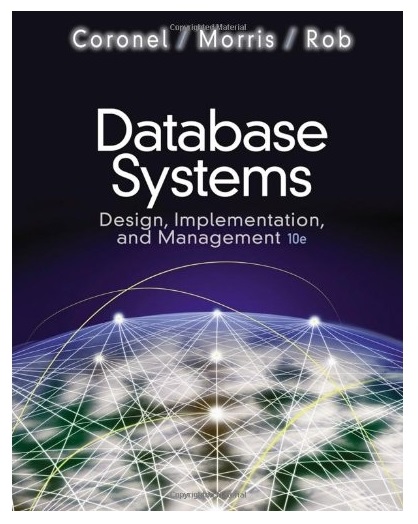
Database Systems Design, Implementation, and Management
Auteur: Carlos Coronel, Steven Morris, Peter Rob
Database Systems Design, Implementation, and Management
- Auteur: Carlos Coronel, Steven Morris, Peter Rob
- ISBN: 978-1-111-96960-8
Practical and easy to understand, DATABASE SYSTEMS: DESIGN, IMPLEMENTATION, AND MANAGEMENT, Tenth Edition, gives readers a solid foundation in database design and implementation. Filled with visual aids such as diagrams, illustrations, and tables, this market-leading book provides in-depth coverage of database design, demonstrating that the key to successful database implementation is in proper design of databases to fit within a larger strategic view of the data environment. Renowned for its clear, straightforward writing style, the tenth edition has been thoroughly updated to include hot topics such as green computing/sustainability for modern data centers, the role of redundant relationships, and examples of web-database connectivity and code security. In addition, new review questions, problem sets, and cases have been added throughout the book so that readers have multiple opportunities to test their understanding and develop real and useful design skills.
-

Operating Systems Three Easy Pieces
Auteur: Remzi H. Arpaci-Dusseau, Andrea C Arpaci-Dusseau
Operating Systems Three Easy Pieces
- Auteur: Remzi H. Arpaci-Dusseau, Andrea C Arpaci-Dusseau
- ISBN: 9781985086593
OSTEP ("oh step"), or the "the comet book," represents the culmination of years of teaching intro to operating systems to both undergraduates and graduates at the University of Wisconsin-Madison Computer Sciences department for nearly 20 years. The book is organized around three concepts fundamental to OS construction: virtualization (of CPU and memory), concurrency (locks and condition variables), and persistence (disks, RAIDS, and file systems). The material, if combined with serious project work and homeworks, will lead students to a deeper understanding and appreciation of modern OSes. The authors, Remzi and Andrea Arpaci-Dusseau, are both professors of Computer Sciences at the University of Wisconsin-Madison. They have been doing research in computer systems for over 20 years, working together since their first graduate operating systems class at U.C. Berkeley in 1993. Since that time, they have published over 100 papers on the performance and reliability of many aspects of modern computer systems, with a special focus on file and storage systems. Their work has been recognized with numerous best-paper awards, and some of their innovations can be found in the Linux and BSD operating systems today.
-

Gérer un parc informatique une initiation pratique à une compétence de plus en plus recherchée
Auteur: Le Bel Pierre
Gérer un parc informatique une initiation pratique à une compétence de plus en plus recherchée
- Auteur: Le Bel Pierre
- ISBN: 2-922889-08-4
-
-
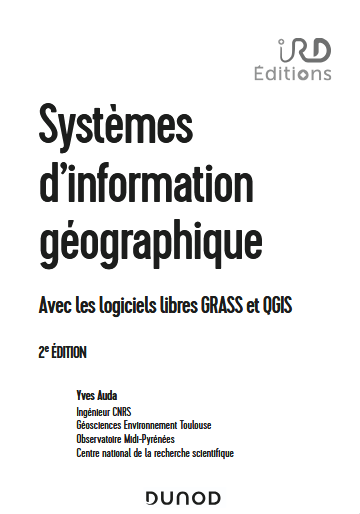
Systèmes d’information géographique
Auteur: Yves Auda
Systèmes d’information géographique
- Auteur: Yves Auda
- ISBN: 978-2-10-084196-7
L'ouvrage présente les Systèmes d'information géographique comme des outils permettant de collecter, stocker, analyser, gérer et représenter des données géospatiales. Yves Auda explique les différentes techniques et technologies utilisées pour manipuler les données géographiques, ainsi que les logiciels qui permettent de les visualiser et d'en extraire des informations.
-

Stratégie et pilotage des systèmes d’information
Auteur: Renaud CORNU-EMIEUX & Hugues POISSONNIER
Stratégie et pilotage des systèmes d’information
- Auteur: Renaud CORNU-EMIEUX & Hugues POISSONNIER
- ISBN: 978-2-10-054537-7
L'ouvrage explore les concepts essentiels du management stratégique des systèmes d'information, en mettant l'accent sur la façon dont les SI peuvent être utilisés pour soutenir la stratégie d'une organisation et améliorer sa performance globale. Les auteurs abordent les différents aspects du pilotage des SI, en expliquant comment les entreprises peuvent intégrer les technologies de l'information dans leur processus de décision stratégique, tout en tenant compte des enjeux techniques et humains.
-

optimisez votre système d'information
Auteur: Oihab Allal-Chérif et Olivier Dupouët
optimisez votre système d'information
- Auteur: Oihab Allal-Chérif et Olivier Dupouët
- ISBN: 978-2-918935-08-7
Cet ouvrage se concentre sur la manière dont les entreprises peuvent optimiser leurs systèmes d'information afin de mieux répondre aux enjeux de performance, de compétitivité et de transformation numérique. Il fournit des conseils pratiques pour adapter les SI aux besoins spécifiques des organisations tout en garantissant leur évolutivité et leur sécurité.
-

GEOPOLITIQUE DES DONNEES NUMERIQUES
Auteur: Amaël Cattaruzza
GEOPOLITIQUE DES DONNEES NUMERIQUES
- Auteur: Amaël Cattaruzza
- ISBN: 979-10-318-0348-7
Dans "Géopolitique des données numériques", Amaël Cattaruzza explore les enjeux géopolitiques autour des données numériques, un sujet devenu central dans le monde contemporain, où les données sont souvent considérées comme une nouvelle ressource stratégique. Le livre analyse la manière dont les données influencent les relations internationales, les pouvoirs économiques et les équilibres géopolitiques mondiaux.
-

Supériorité numérique
Auteur: Avon Gale
Supériorité numérique
- Auteur: Avon Gale
- ISBN: 978-2-37676-318-5
Le livre raconte l’histoire de Max Ashford, dont la carrière de joueur de hockey s’arrête brutalement à la suite d’un accident durant les play-offs de la Stanley Cup. Max revient malgré tout dans le milieu du hockey cette fois en tant qu’adjoint-coach d’une équipe en difficulté, les Spartanburg Spitfires, la pire de la ligue. Tout se complique quand le nouveau coach principal s’avère être Misha Samarin l’homme responsable de l’accident de Max. Entre la culpabilité de Misha, les blessures psychologiques, et l’attirance imprévue mais intense qui naît entre eux, les deux hommes devront faire face à un passé douloureux, des regrets, des remises en question tout en tentant de construire une relation naissante dans un contexte lourd et chargé d’émotions.
-

SOBRIÉTÉ NUMÉRIQUE
Auteur: FRÉDÉRIC BORDAGE
SOBRIÉTÉ NUMÉRIQUE
- Auteur: FRÉDÉRIC BORDAGE
- ISBN: 978-2-283-03271-8
Le livre interroge l’impact environnemental, social et sociétal du numérique téléphones, ordinateurs, tablettes, services en ligne aujourd’hui omniprésent. L’auteur montre que ce “monde numérique” n’est pas immatériel : sa production et son usage consomment des ressources énergie, minerais, eau, génèrent des émissions de gaz à effet de serre et posent des problèmes d’épuisement des ressources et d’obsolescence.
-
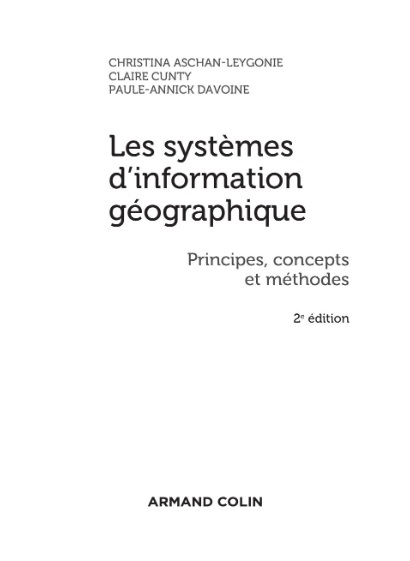
Les systèmes d'information géographique. Principes, concepts et méthodes
Auteur: Christina Aschan-Leygonie & Claire Cunty & Paule-Annick Davoine
Les systèmes d'information géographique. Principes, concepts et méthodes
- Auteur: Christina Aschan-Leygonie & Claire Cunty & Paule-Annick Davoine
- ISBN: 978-2-200-63798-9
Cet ouvrage apporte aux étudiants les notions clés et méthodes indispensables à la maîtrise des systèmes d’information géographique (SIG). Il présente les fondamentaux de l’information géographique, les traitements et les analyses qui sont au cœur des projets SIG. Il montre comment les SIG peuvent répondre à des problématiques spatiales portant aussi bien sur des phénomènes géographiques discrets ou continus que sociaux ou environnementaux.
-

Langages formels calculabilité et complexité cours et exercices corrigés
Auteur: Carton, Olivier Perrin, Dominique
Langages formels calculabilité et complexité cours et exercices corrigés
- Auteur: Carton, Olivier Perrin, Dominique
- ISBN: 978-2-311-01400-6
-